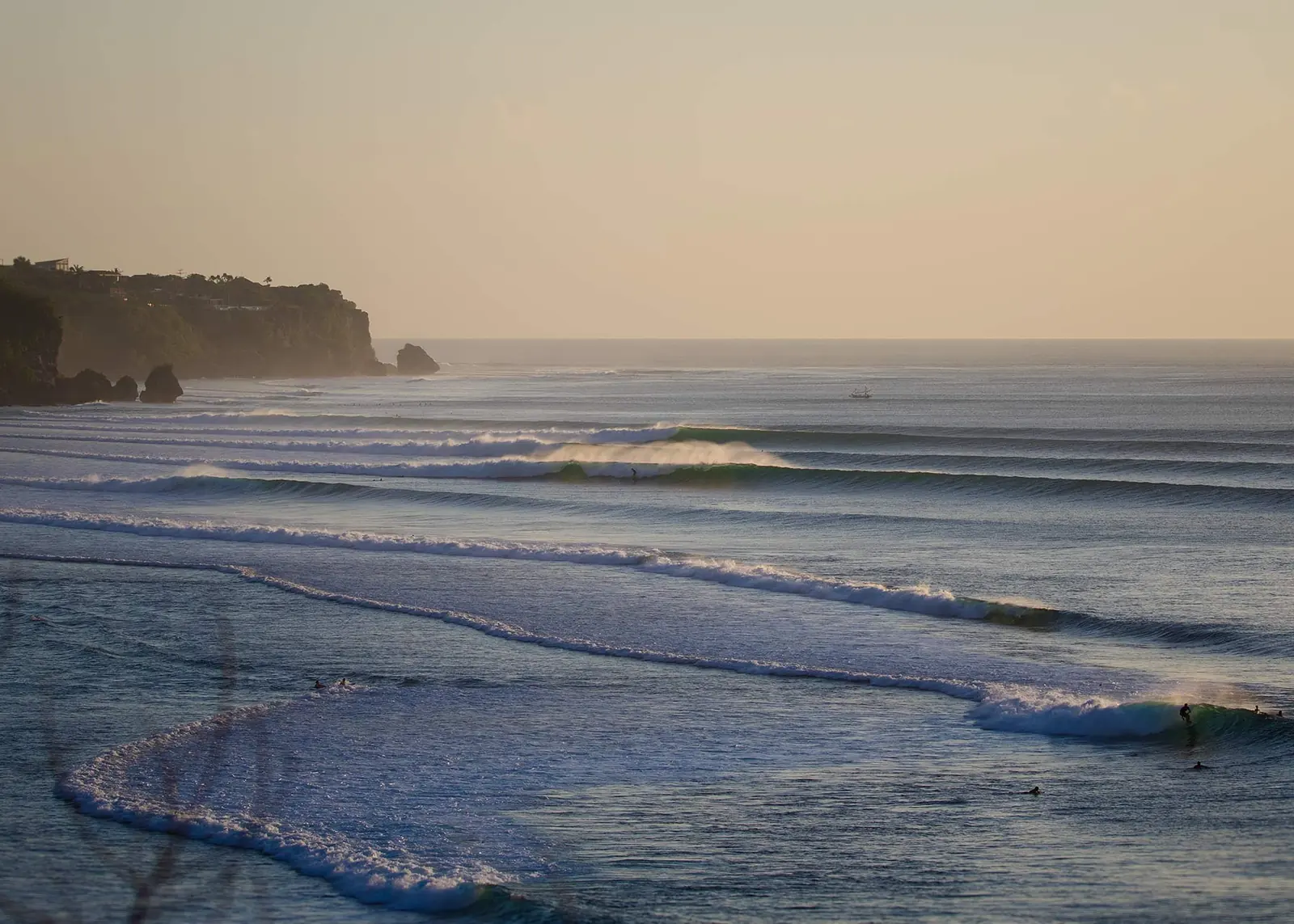
Once you can paddle out on your own, catch green waves and ride along them, the next step is variety: points, reefs and more powerful beach breaks. These are the zones in the seven countries we cover where an intermediate surfer gets the most waves, and the ones we would pick.
Portugal
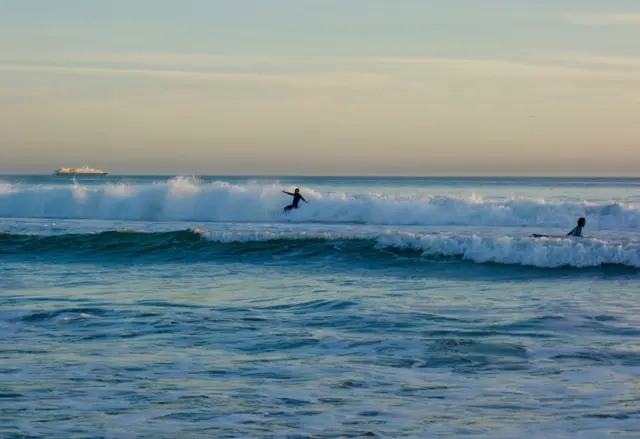
Portugal has waves for every level within a few hours' drive, and from October to April the Atlantic is consistent enough to surf almost every day. For an intermediate surfer that means plenty of practice, from beach breaks to your first points.
Lisbon Coast
The coast between Lisbon and Cascais is a good place to move on from beach breaks. Carcavelos is a powerful beach break in winter, and further along, the reefs and points around São Pedro do Estoril work when the swell is big enough to wrap into the bay. On the Sintra side, Praia Grande and Praia das Maçãs are open beaches that pick up more swell.
The Algarve
The west coast of the Algarve is wild and much quieter than the south. Arrifana, a right point at the foot of the cliffs, is a good wave to learn to surf a point, and Amado, Bordeira and Monte Clérigo are open beaches with peaks to choose from when the swell is moderate.
Spain
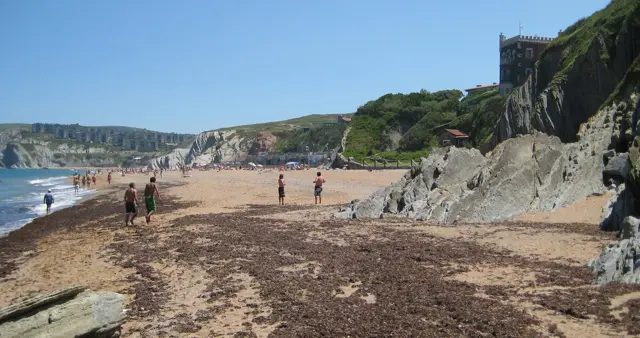
Northern Spain is at its best from October to March, when the swell is consistent and the beaches empty. The water is cold, so you need a good wetsuit, but you'll have plenty of waves and much smaller crowds than in summer.
Basque Country
The coast north of Bilbao has a run of beaches that suit intermediate surfers: Sopelana, La Salvaje, Bakio and Laga, each facing a slightly different way, so one of them usually works. They are close enough to the city for a surf before work, which also means busy line-ups at the weekend.
Asturias
Asturias is greener and quieter than the Basque Country. Salinas and Xago are reliable beach breaks near Avilés, and Rodiles, a long left at a river mouth, is the wave to aim for when the sandbank is in shape and the swell is right.
France
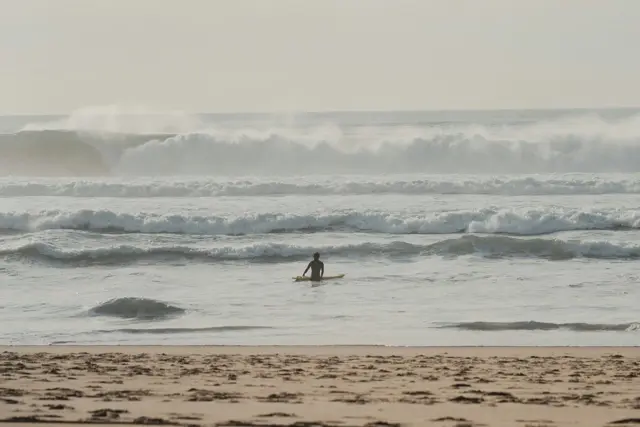
South-west France is one long beach break, and from October to March it has some of the most powerful sandbanks in Europe. For intermediate surfers, autumn is often the sweet spot: proper swell, water that's still not too cold, and the summer crowds gone.
Landes (Hossegor)
Around Hossegor there are dozens of peaks along the same stretch of sand, so you can always find one that suits your level. La Sud and the beaches of Capbreton are a little more forgiving than the famous La Nord and La Gravière, which are best left for the days when they're small.
Côte Basque
Anglet has a long row of beaches between jetties, each with its own sandbank, which makes it easy to move around until you find the right wave. Further south, Lafitenia near Saint-Jean-de-Luz is a right point that suits intermediate surfers on a moderate swell.
Morocco
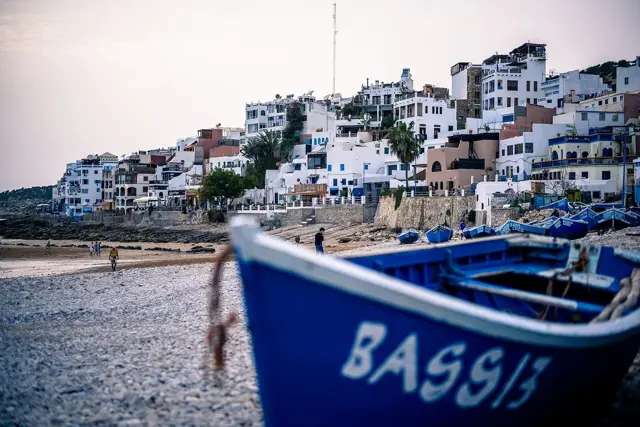
Morocco is the place for an intermediate surfer who wants to ride long waves in winter. From October to March the points north of Agadir get swell almost every week, the water is warmer than in Europe, and a week costs little.
Taghazout & Imsouane
Taghazout has right points one after another. On smaller days, Hash Point and Panoramas are easy places to start, and when the swell is moderate, Anchor Point and Killer Point give the longest rides of your life so far. On big days they are for experienced surfers only.
Aglou & Sidi Ifni
South of Agadir the coast is much quieter. Tifnit is a small fishing village with a beach break, and Aglou, near Tiznit, has reefs and beaches with very few people in the water.
Indonesia
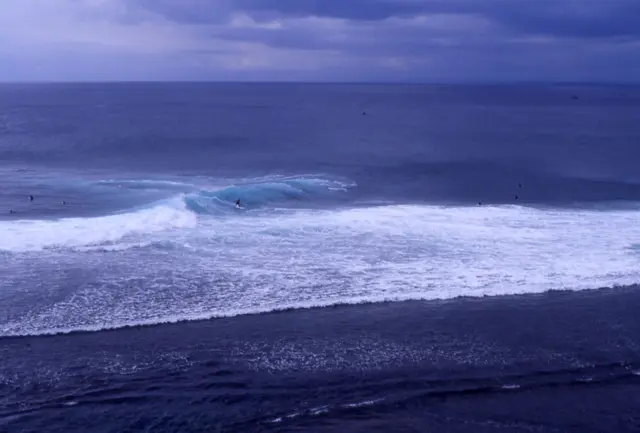
Indonesia is where many intermediate surfers take their first trip to reef waves. The dry season, from April to October, brings steady swell and offshore winds. Reefs are shallow, so choose waves that match your level and surf them at the right tide.
Bali
The Bukit peninsula in the south of Bali has some of the most famous waves in the world, and several are within reach of an intermediate surfer on the right day. Balangan, Dreamland and Bingin are shorter, friendlier reef waves than Uluwatu itself, and there are places to stay right above them.
Lombok
Around Kuta Lombok, boats take you out to the reefs in Gerupuk and Ekas bays, where there are waves for most levels. It's much quieter than Bali, and a good place to get used to surfing over reef.
Sumatra-Nias
Krui, in the south of Sumatra, has a string of lefts and rights over reef and far fewer surfers than Bali. It's a longer trip, but you'll spend more time surfing and less time queueing for waves.
Costa Rica
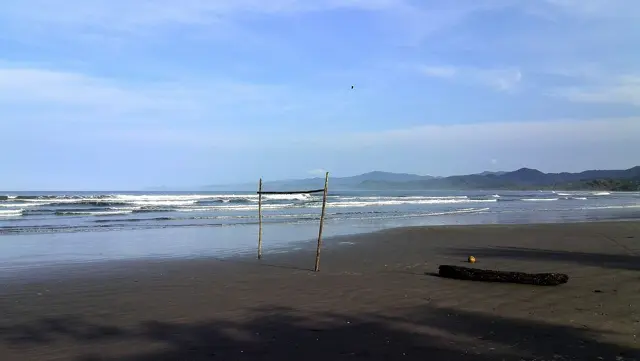
Costa Rica has warm water and waves all year. The dry season, from December to April, brings clean conditions to Guanacaste and Nicoya, and the green season, from May to November, brings bigger south swells to the whole Pacific coast.
Golfo de Nicoya
Santa Teresa and Playa Carmen are beach breaks with peaks along several kilometres of sand, and Playa Coyote, further south, is a quieter right point. It's a good base for a couple of weeks of surfing every day.
Guanacaste
South of Tamarindo, Playa Negra and Avellana are reef breaks with good shape for intermediate surfers, and Playa Guiones in Nosara is a long, consistent beach break. The towns are small and the pace is slow.
Panama
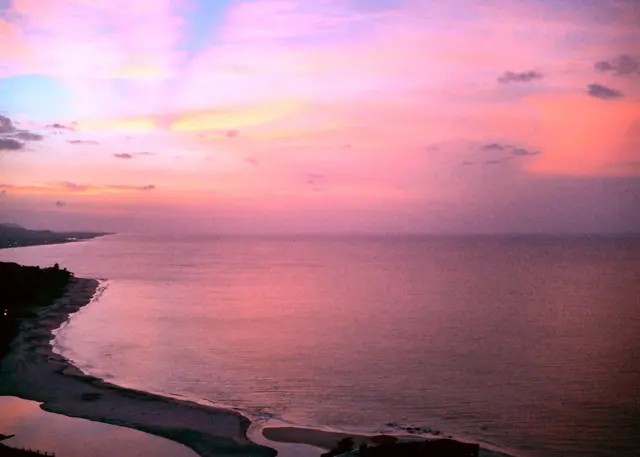
Panama has fewer surfers than Costa Rica and many more points than you'd expect. The Pacific side is best from April to October, and Bocas del Toro, on the Caribbean, from December to March.
West Panamá Province
West of Panama City, Rio Mar and the points near it, such as Punta Teta and Rinconsito, are rights over rock and sand, about an hour and a half from the capital. On weekdays the line-ups are often almost empty.
Bocas del Toro
Bocas del Toro has reefs and beaches on Isla Colón and the islands around it. Paunch and Careñeros are reef waves for intermediate surfers on a moderate swell, and Bluff is a powerful beach break when the swell is small.