Menu
Plan my trip
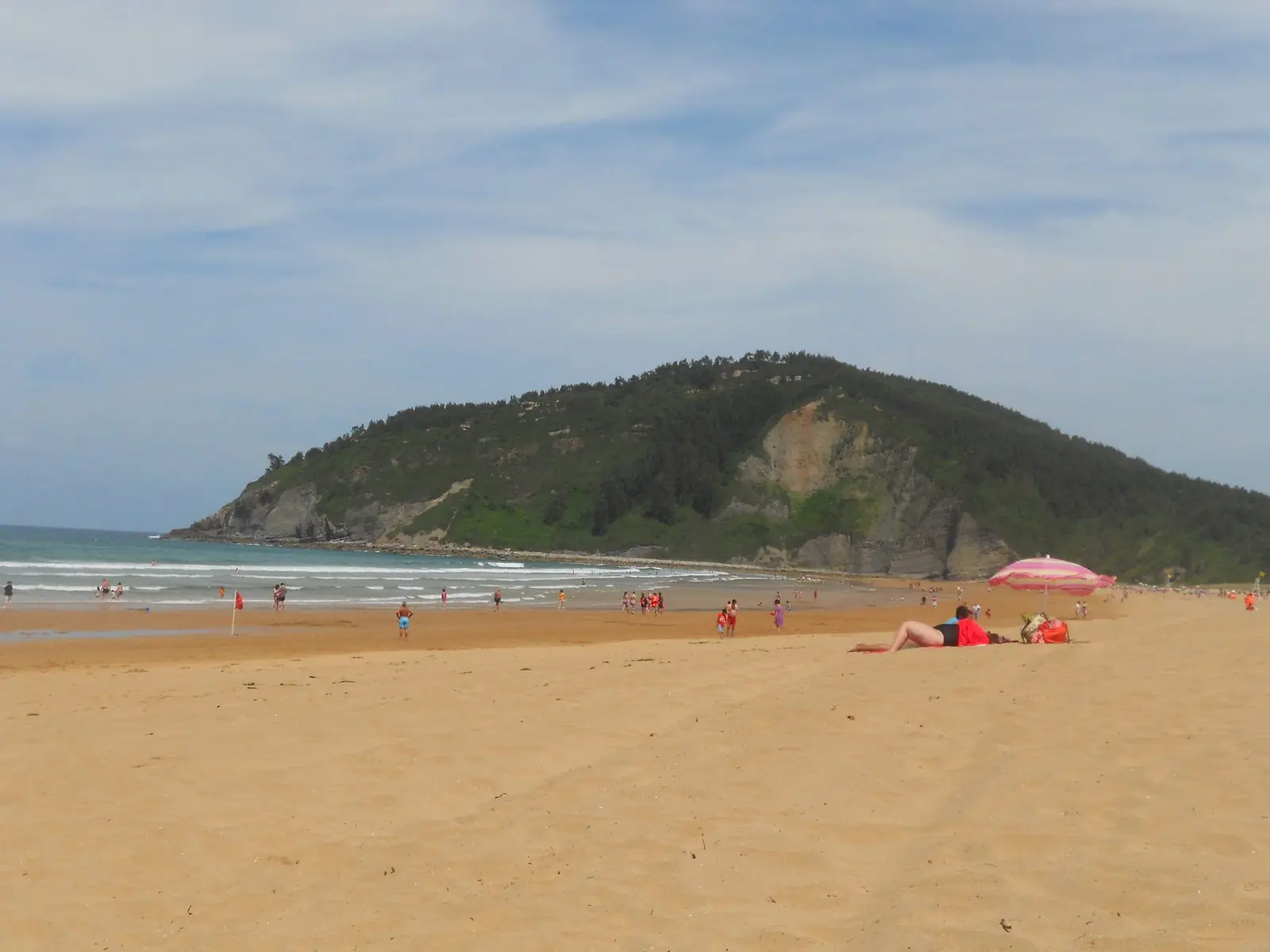
Rodiles beach and the headland in Villaviciosa, Asturias

Spain surf guide

Surfing Gijón & Central Coast

Asturias' most famous rivermouth and beach breaks

8 waves · Best Oct-Mar · Beginner, Intermediate, Advanced · From $36 a day

Photo: McBodes, CC BY 3.0

Spain's green, mountainous north coast, where the Picos de Europa drop almost straight into the Atlantic. Asturias trades the Basque Country's fame for empty rivermouth points, wide beach breaks and a slower, cider-and-cheese pace of life.

LevelsBeginner, Intermediate, Advanced
Best seasonOct-Mar
RegionAsturias
Daily budget$36–167
Nearest airportOVD

The waves at Gijón & Central Coast

RodilesIntermediate / Advanced

Left Rivermouth · Best Sep-Apr · 2-8 ft · Crowd 4/5

Solid NW-W groundswell

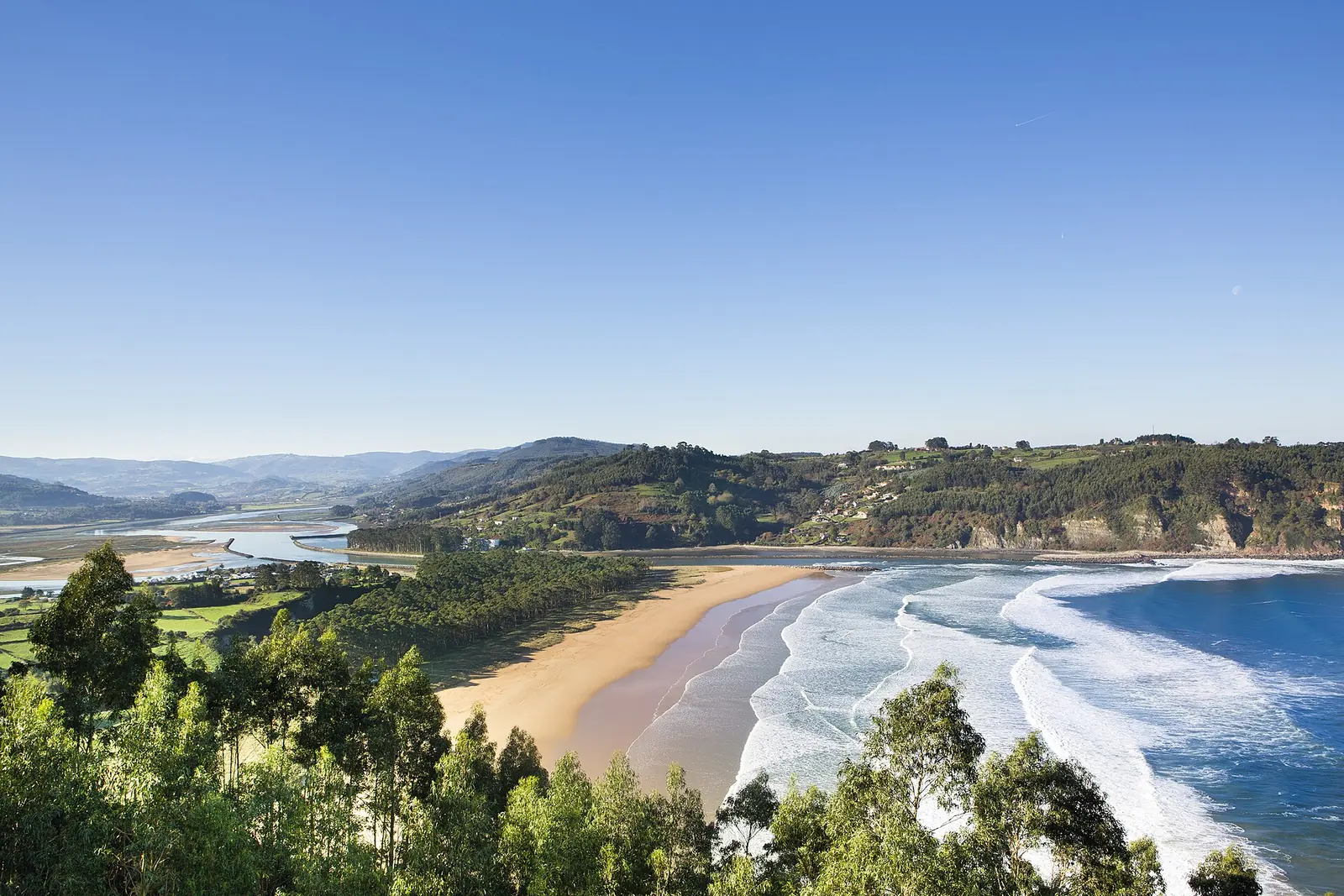
Rodiles is a left at the mouth of the Ría de Villaviciosa and the best-known wave in Asturias. The river and the swell shape a sandbar that gives long, powerful lefts and holds a lot of size.

Because it's a rivermouth, it has more shape than the beaches nearby, and on good swells surfers come from all over the region. It's best on a solid north-west or west groundswell. On the outgoing tide the current at the river mouth is strong.

Rodiles depends on the sandbar, which comes and goes, so it can be excellent one season and much weaker the next. Autumn and winter swells are the best bet.

The beach is backed by a eucalyptus wood with a large car park, and Villaviciosa, the nearest town, is about fifteen minutes away. On a good swell expect a strong local crowd, and be careful with the current at the mouth of the river.

Full guide to Rodiles
SalinasBeginner / Intermediate

Beach Break · Best Year-round · 1-6 ft · Crowd 4/5

Clean swell, all tides

Salinas is a long beach near Avilés, about half an hour from Gijón, and one of the most surfed spots in Asturias. Its beach-break peaks hold up well across a range of sizes.

It faces the north-west and west swells that are common here, and the beach is wide enough for the crowd, which is often big, to spread out. Local surfers are in the water most days.

It works all year, but autumn and winter bring the best swells. The beach has a long promenade with bars and restaurants, and the Museo de las Anclas, an open-air display of ship anchors, at the far end. In summer the surf schools take over the inside.

Full guide to Salinas

Playa de XagoBeginner / Intermediate

Beach Break · Best Year-round · 1-5 ft · Crowd 2/5

Small-mod swell, low to mid tide

Xagó is a long, wide beach backed by dunes in Gozón, west of Gijón and close to Avilés, inside the Cabo Peñas protected landscape. The waves break over sand in soft, consistent peaks that are easier than Rodiles or Salinas on a good day.

It's usually less crowded than the beaches closer to town, and with no building behind it, it feels wild for somewhere so near two cities. Low to mid tide on a small to medium swell is easiest.

It's a good beach for learners and improvers, with surf schools in summer and very few people the rest of the year. There's a car park and a beach bar behind the dunes. Salinas, a few minutes away, has the shops and restaurants.

Full guide to Playa de Xago

Playón de BayasIntermediate

Beach Break · Best Sep-Apr · 2-6 ft · Crowd 2/5

Clean swell, mid tide

The Playón de Bayas is a long beach in Castrillón, west of Avilés, part of the sandy stretch that runs to Los Quebrantos and the mouth of the Nalón. It's a consistent beach break, usually best around low tide on a falling tide, with lefts and rights along the sand.

With Salinas, El Espartal and Los Quebrantos nearby, there's usually a beach working somewhere along this coast. It's less known than Salinas, so the peaks are often quieter.

It's a quiet, natural beach with few facilities and a car park behind the sand. Autumn and winter bring the best swells. If the peaks here aren't working, Salinas and Xagó are close by.

Full guide to Playón de Bayas

El EspartalIntermediate

Beach Break · Best Sep-Apr · 2-6 ft · Crowd 1/5

NW swell, SE offshore wind, all tides; best early morning

El Espartal is the long beach between Salinas and the San Juan de Nieva jetty, at the mouth of the Avilés estuary. It picks up plenty of north-west swell, and near the jetty the waves tend to peel right.

It works at any tide. The wind is what decides it: a south-east wind is offshore, but the sea breeze often spoils it later in the day, so early mornings are usually best. The port is close by, but the dunes behind the beach keep it feeling open.

Full guide to El Espartal

Los QuebrantosIntermediate

Beach Break · Best Sep-Apr · 2-6 ft · Crowd 1/5

Clean NW swell, mid tide

Los Quebrantos is the beach at San Juan de la Arena, at the western end of the long sandy stretch that runs from the Playón de Bayas to the mouth of the Nalón river. It's a beach break with peaks along the sand, usually best around mid tide on a clean north-west swell.

It's quieter than Salinas or Rodiles, and a couple of surf schools work here, so it suits improvers. Asturias airport is about five minutes away.

It's at its best in autumn and winter on a clean north-west swell. The river mouth brings currents, especially on the outgoing tide. San Juan de la Arena is a small fishing village with a few bars and restaurants.

Full guide to Los Quebrantos

RibadesellaIntermediate / Advanced

Beach Break · Best Sep-Apr · 2-7 ft · Crowd 2/5

Clean NW-W swell

Ribadesella is a town east of Gijón, at the mouth of the Sella river, with its surf at Santa Marina beach. There are beach peaks along the sand, a point at the river mouth and lefts and rights, best from low tide on the push with a north-north-west swell.

The old town and the harbour are pretty, and the seafood is good. This part of eastern Asturias is one of the most consistent stretches of the Asturian coast.

It's busy in summer, when the town is full of visitors and the waves are often small. In autumn and winter it gets more swell. The town is known for the Descenso del Sella canoe race in August and for the Tito Bustillo cave, with prehistoric paintings, just above the river.

Full guide to Ribadesella

San Lorenzo (Gijón)Beginner / Intermediate

Beach Break · Best Sep-Apr · 1-6 ft · Crowd 4/5

NW swell, S offshore wind, low to mid tide

San Lorenzo is the city beach of Gijón, a curve of sand below the seafront promenade. The best-known peak is at La Escalerona, the big stairway in the middle of the beach.

It needs a north-west swell and a southerly wind. At high tide the water reaches the sea wall and the waves disappear, so it's a low to mid tide wave. It gets crowded after work and at weekends.

Water quality can be poor after heavy rain, as on most urban beaches.

In summer, at high tide, the beach almost disappears and surfing is restricted. From autumn to spring, on a north-west swell, it's the after-work spot for Gijón's surfers. If it's too small, Salinas and Rodiles are about half an hour away.

Full guide to San Lorenzo (Gijón)

Where to stay in Gijón & Central Coast

Gijón is the easiest base, with city beaches, the most places to stay and good food. Villaviciosa is a small town closer to Rodiles, with rural houses in the countryside around it. Salinas, near Avilés, has apartments right on the beach and suits a stay focused on surf.

Surf camps in Gijón & Central Coast

We are adding local camps we trust to this page. Run a surf camp or surf house here? We would like to hear from you.

Before
you go

Book ahead

Easy to book last-minute outside of August, when Spanish domestic tourism fills the coastal towns.

The water

Water is cold most of the year, so bring a good 4/3mm suit. Rodiles is a rivermouth with strong currents, and the rocky points need care.

Who it suits

Watch for jellyfish and rough seas after storms; some remote spots have serious rip currents.

Money

Cards work in towns; carry small cash for rural sidrerías and campsites.

Best time to surf Gijón & Central Coast

Gijón & Central Coast works best around Oct-Mar.

JanFebMarAprMayJunJulAugSepOctNovDec
PrimeGoodQuiet

Portugal or Spain? Compared for surfing

France or Spain? Compared for surfing

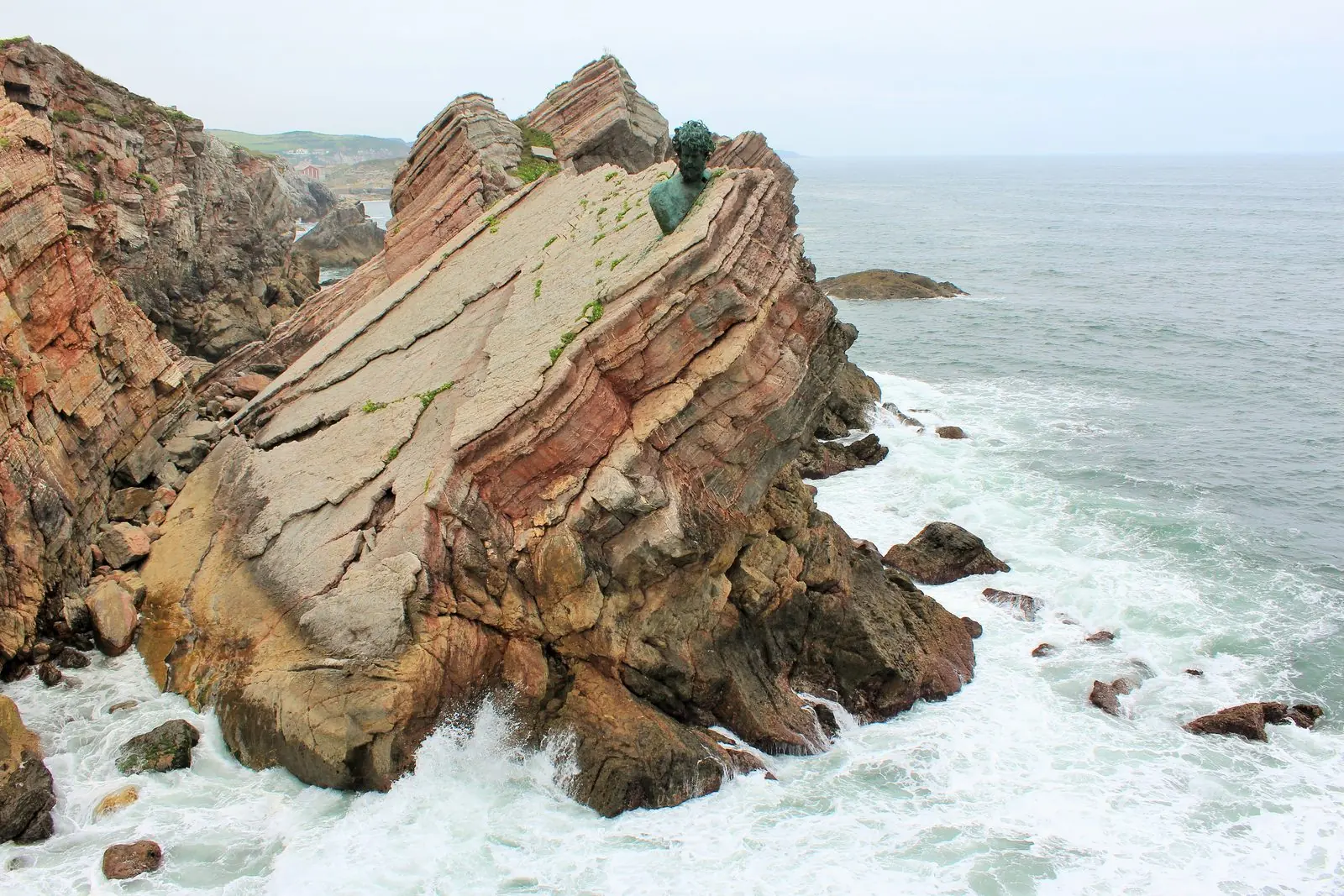
Waves breaking on the rocks at Salinas beach, Asturias
Photo: Adolfobrigido, CC BY-SA 4.0

Getting to Gijón & Central Coast

Asturias airport (OVD) near Oviedo is the gateway, with Gijón and the surf coast a short drive away.

Asturias (OVD) + rental car

$25-40/day

A car is the practical choice, Asturian breaks are spread along a scenic but winding coastal road. Roads twist through towns and cliffs, allow more time than a straight-line distance suggests.

ALSA bus and coastal trains

$3-10

ALSA buses link Oviedo, Gijón, Villaviciosa and Ribadesella, and local trains run between Gijón and Avilés. Fine for reaching a town; beaches outside the towns are hard to reach without a car.

Beyond the surf

Gijón San Lorenzo beach

Beach

A long urban beach right in the city, promenade and cafés along its length.