Menu
Plan my trip
West Java, Indonesia

Indonesia surf guide

Surfing West Java

Cimaja, Sawarna and the Panaitan boat missions.

7 waves · Best Apr-Oct · Intermediate, Advanced, Pro · From $29 a day

Java has G-Land, the jungle left at its eastern tip, and a long coast of empty beach and point breaks in the west. Getting around is harder than in Bali and there are far fewer surfers.

LevelsIntermediate, Advanced, Pro
Best seasonApr-Oct
RegionJava
Daily budget$29–120

The waves at West Java

CimajaIntermediate / Advanced

Right Point · Best Apr-Oct · 3-8 ft · Crowd 3/5

SW swell, E-SE wind

Cimaja is a right point over round boulders near Pelabuhan Ratu, and the main surf town in West Java. It's walling, sometimes hollow and very consistent: if there's swell in the Indian Ocean, it's usually breaking.

You take off by the boulders, ride a long wall and finish on a faster inside section when the tide drops. It's usually 3-6ft with morning offshores, and bigger swells bring more power and a current you have to paddle against. Mid tide is easiest on fins and feet.

Losmen are cheap and the local crew has surfed here for generations. Jakarta is 4-5 hours away, so weekends get busy. Everyday shortboard. It's also a good base for trips to Ombak Tujuh or Panaitan, which can be arranged locally.

Full guide to Cimaja
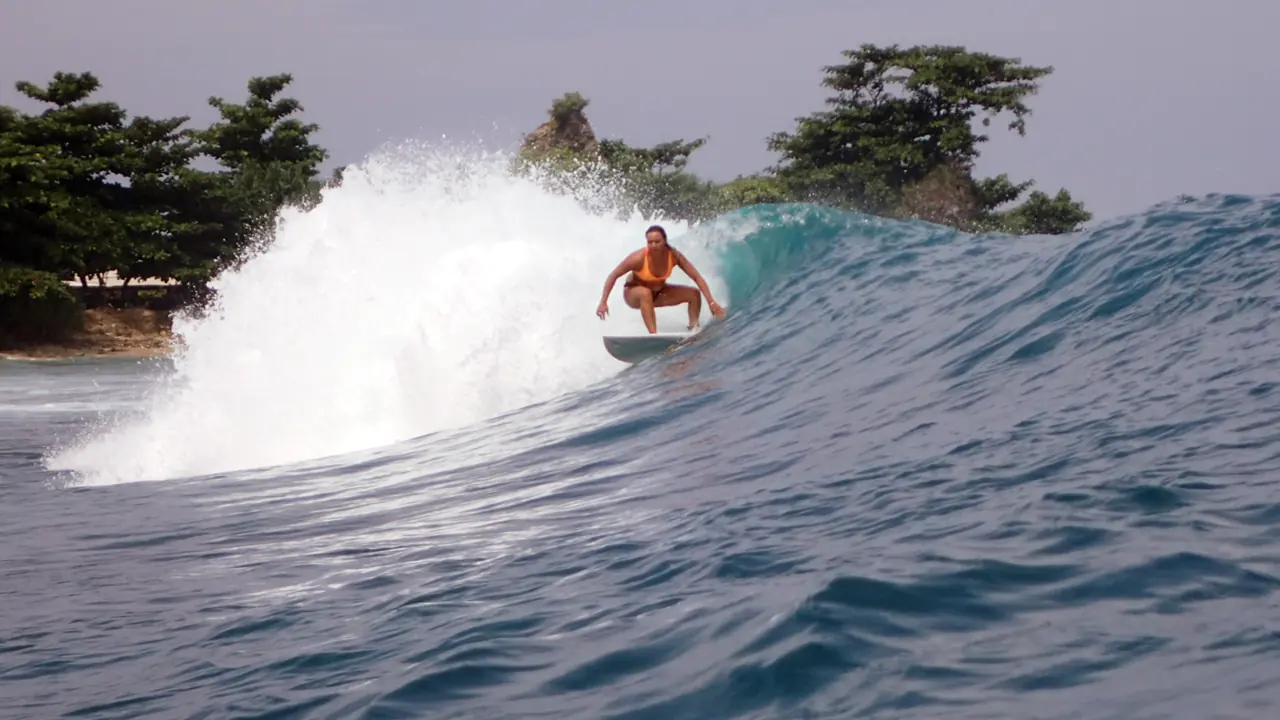
Sawarna (Ciantir)Intermediate / Advanced

Beach Break · Best Apr-Oct · 3-8 ft · Crowd 2/5

SW swell, morning glass

Sawarna, at Ciantir beach, is a big bay that takes a lot of swell. It has two kilometres of powerful beach break and a right off the reef at the western end when the swell lines up, with palm trees and cliffs around it.

The peaks change with the sandbanks, and you can get wedges, fast walls and proper barrels. It's usually bigger than Bali, and 5ft here is serious, with rips. Surf it in the morning, because the afternoon sea breeze ruins it.

Homestays are very cheap and close to the beach. Phone signal is patchy and there's no nightlife. Bring a shortboard and a step-up if a real swell is coming. Cimaja is about 90 minutes away.

Full guide to Sawarna (Ciantir)

Ombak TujuhAdvanced / Pro

Left Reef · Best May-Sep · 4-12 ft · Crowd 1/5

S-SW swell, E wind

Ombak Tujuh means 'seven waves', after the lines of swell that stack up on a long-period SW swell. It's a heavy left off the rocks near Ujung Genteng, and one of the best waves in Java, but few people surf it because it's hard to reach.

From Ujung Genteng it's 40 minutes or more by motorbike through plantations and along the beach, with river crossings. The wave jacks up off a boulder reef and runs for a hundred metres or more, with barrel sections. It works at 4-10ft on east winds, and it's for experts only.

There is nothing there: no warung, no shade and no help if something goes wrong. Bring water and a repair kit, and ideally a guide from the village who knows where to paddle out.

Full guide to Ombak Tujuh

One Palm PointPro

Left Reef · Best May-Sep · 4-10 ft · Crowd 2/5

SW swell, SE trades

One Palm Point is a left on the southwest corner of Panaitan Island, inside Ujung Kulon National Park. It's a long, very fast barrel over coral with very little water, one of the shallowest serious waves anywhere.

You can only get there by charter boat, on trips of 2-4 days from Sumur or arranged through Cimaja. The park is proper wilderness, home to Javan rhinos, crocodiles in the estuaries and monkeys around camp. Wear booties, bring a spare board, and consider a helmet.

It's best with a clean 5-8ft SW swell, SE trades and the right tide. For very good barrel riders only. When it isn't working, the trip is still jungle, empty reefs and nights at anchor.

Full guide to One Palm Point

ApocalypsesPro

Right Reef · Best May-Sep · 4-10 ft · Crowd 1/5

SW swell, SE trades

Apocalypses is a right on Panaitan Island, on the opposite side to One Palm Point. It runs down its own coral shelf with very fast walls and sudden square barrels over shallow reef.

It needs the same conditions: solid SW swell, SE trades and a boat. Because of its angle it sometimes works when One Palm isn't quite right, so charters often anchor between the two and decide in the morning. The rides are shorter than One Palm but hit harder on the drop.

It's inside a national park with no facilities and no rescue apart from your own boat. Experts only, with booties.

Full guide to Apocalypses

TurtlesIntermediate / Advanced

Left Reef · Best Apr-Oct · 3-8 ft · Crowd 1/5

S-SW swell, E wind

Turtles is a left over reef off Ujung Genteng, near Pangumbahan beach, where green turtles come ashore to nest. There's rarely anyone else out.

It's much easier to reach and to surf than Ombak Tujuh further along the coast. It needs a decent south or south-west swell and a morning offshore, and works from shoulder high to overhead. Intermediates with some reef experience will enjoy it.

Ujung Genteng is a small fishing and farming town with simple losmen and seafood. At night you can watch the turtles at the sanctuary. Bring cash, and expect slow roads.

Full guide to Turtles

LojiIntermediate

Beach Break · Best Apr-Oct · 3-8 ft · Crowd 1/5

SW swell, morning glass

Loji is the long dark-sand beach south of the port at Pelabuhan Ratu. It has shifting beach-break peaks with fast walls and sometimes long lefts off the better banks, and it's more powerful than most people expect.

If you're staying in Cimaja, Loji is the backup when the point is small, crowded or on the wrong tide. Look from the coast road, park by a warung and paddle out at the peak nobody is on. In the dry season go in the morning, because the sea breeze comes in on time every day.

Watch for rips along the banks, a heavy shore break at high tide and dirty water after rain. Everyday shortboard. There's nothing here but fishermen and a couple of warungs.

Full guide to Loji

Where to stay in West Java

Cimaja is the surf hub, a village strip five minutes from the point with the area's surf shops and guides. Pelabuhan Ratu (15 min east) has the banks and big supermarkets. Panaitan is boat-charter territory: liveaboards depart from Sumur, organised well in advance.

Surf camps in West Java

We are adding local camps we trust to this page. Run a surf camp or surf house here? We would like to hear from you.

Before
you go

Book ahead

G-Land is package-only: book camps (Joyo's, Bobby's) 1-3 months ahead for May-September. They arrange the Bali boat too. West Java is walk-in country; only weekends need thought (Jakarta and Bandung empty onto the coast).

The water

G-Land is hours from real medical care. Camps have first aid, and serious cases go by boat to Bali. Malaria risk is low but non-zero in the park; use repellent. West Java: clinics in Pelabuhan Ratu, and hospitals are basic.

Who it suits

Cimaja and Batu Karas on summer weekends (city crowds triple the lineup). The Jakarta-Pelabuhan Ratu drive on Friday afternoons. G-Land from November to February, when the camps are closed and the wave is flat.

Money

No ATMs at G-Land, Sawarna or Ujung Genteng. Cash up in Jakarta, Pelabuhan Ratu or Banyuwangi. Camps take cards for packages but not for the beers you'll owe.

Best time to surf West Java

West Java works best around Apr-Oct.

JanFebMarAprMayJunJulAugSepOctNovDec
PrimeGoodQuiet

Indonesia or Costa Rica? Compared for surfing

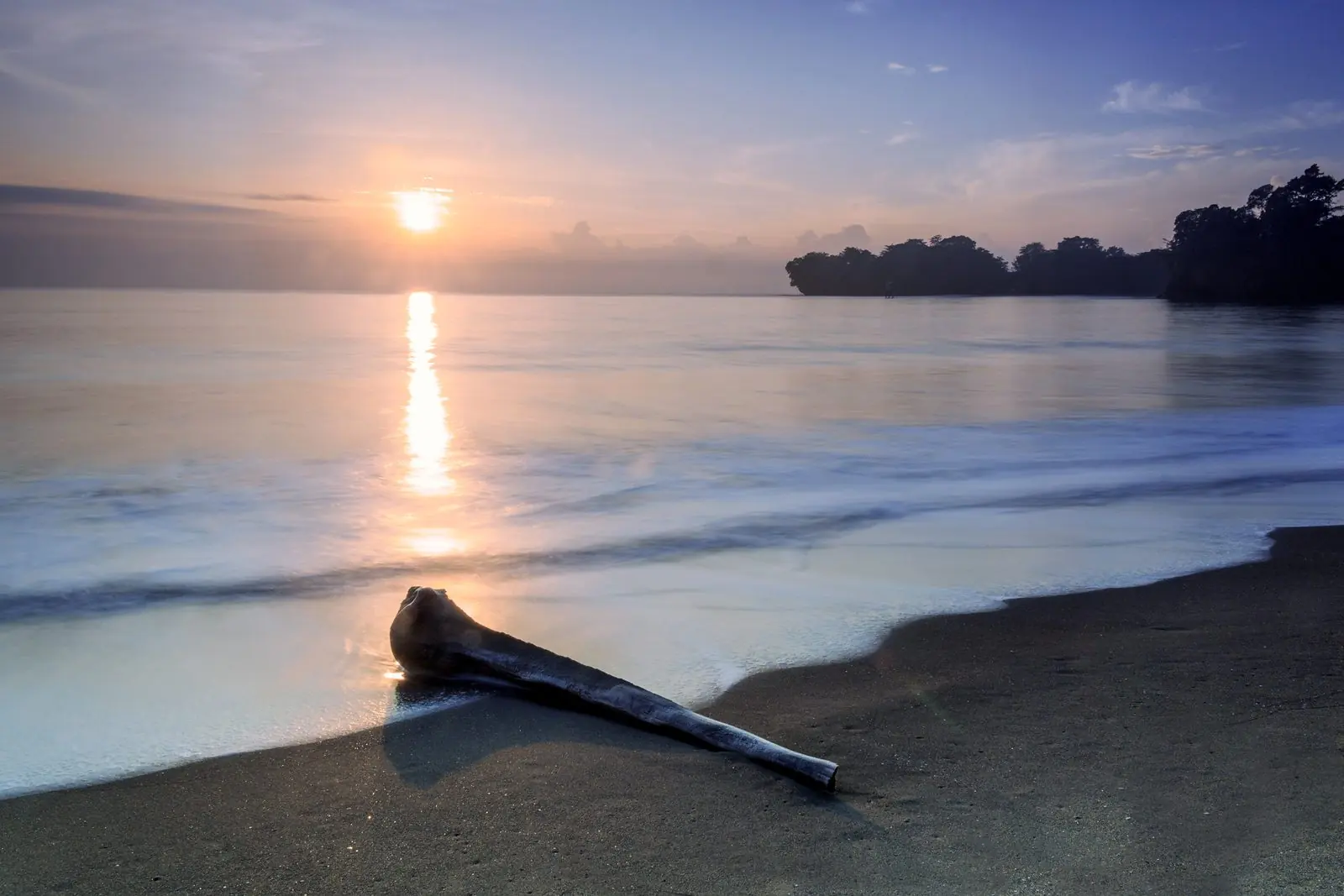
Sunrise over the bay at Batu Karas, West Java
Photo: Ridwanad, CC BY-SA 4.0

Getting to West Java

Java is big, so how you get there depends on the zone. G-Land is reached by boat as part of a camp package. For Pangandaran and Cimaja you go overland, and the train is better than the bus.

Speedboat Bali → G-Land

bundled with camps

The camps run their own speedboat transfers from Bali (about 2-3 hours door to door with the land legs) as part of every package. It's the standard way in, no independent logistics required. Confirm the transfer is included when booking; solo overlanding via Banyuwangi rarely saves money.

Executive trains (KAI)

$15-35

Java's trains are comfortable and reliable: reclining executive seats, on-time departures and volcano views. Book on the KAI Access app or Traveloka a few days ahead. For Pangandaran take the train to Banjar, then a local car or bus for the last 1.5-2 hours.

4x4 through Alas Purwo

$50-80 per vehicle

From Banyuwangi it's about 2 hours through teak forest and the national park gate to G-Land. Park permits are handled by camps or your driver. The track floods in the wet season, another reason G-Land is a dry-season (May-Oct) trip.

Scooter rental

$4-6/day

Available in Pangandaran, Batu Karas and Cimaja through guesthouses. Roads are decent on the coast; watch for sand patches and afternoon rain slicks. In Cimaja everything is 10 minutes apart, a scooter is all you need.

Buses & travel minivans

$5-12

Door-to-door 'travel' minivans run from Jakarta and Bandung to the south-coast towns. Slower and less comfortable than the train, but direct. From Jakarta to Cimaja count on 4-6 hours depending on the Bogor traffic.

Beyond the surf

Pelabuhan Ratu fish market

Culture

One of Java's biggest fishing ports, the dawn fish auction is loud and chaotic and good to see. Grilled fish warungs along the harbour do lunch straight off the boats.

Sawarna village & Karang Taraje

Nature

A karst-country village of homestays behind Ciantir beach, with the Karang Taraje reef ledge throwing spray at its southern end. Limestone caves dot the hills behind.

Karang Hawu cliff

Viewpoint

The lava headland west of Cimaja, wrapped in Nyai Roro Kidul legend, locals leave offerings to the Queen of the South Sea. Sweeping views over the bay.

Ujung Kulon & Panaitan Island

Adventure

The UNESCO park at Java's southwestern tip: the last Javan rhinos, empty jungle coast and Panaitan's perfect reefs, reached only by chartered boat from Sumur.